Croatia Residency by Investment: Investor Guide
Explore Croatia residency options for investors, including business investment, self-employment, property ownership, and long-term residence.
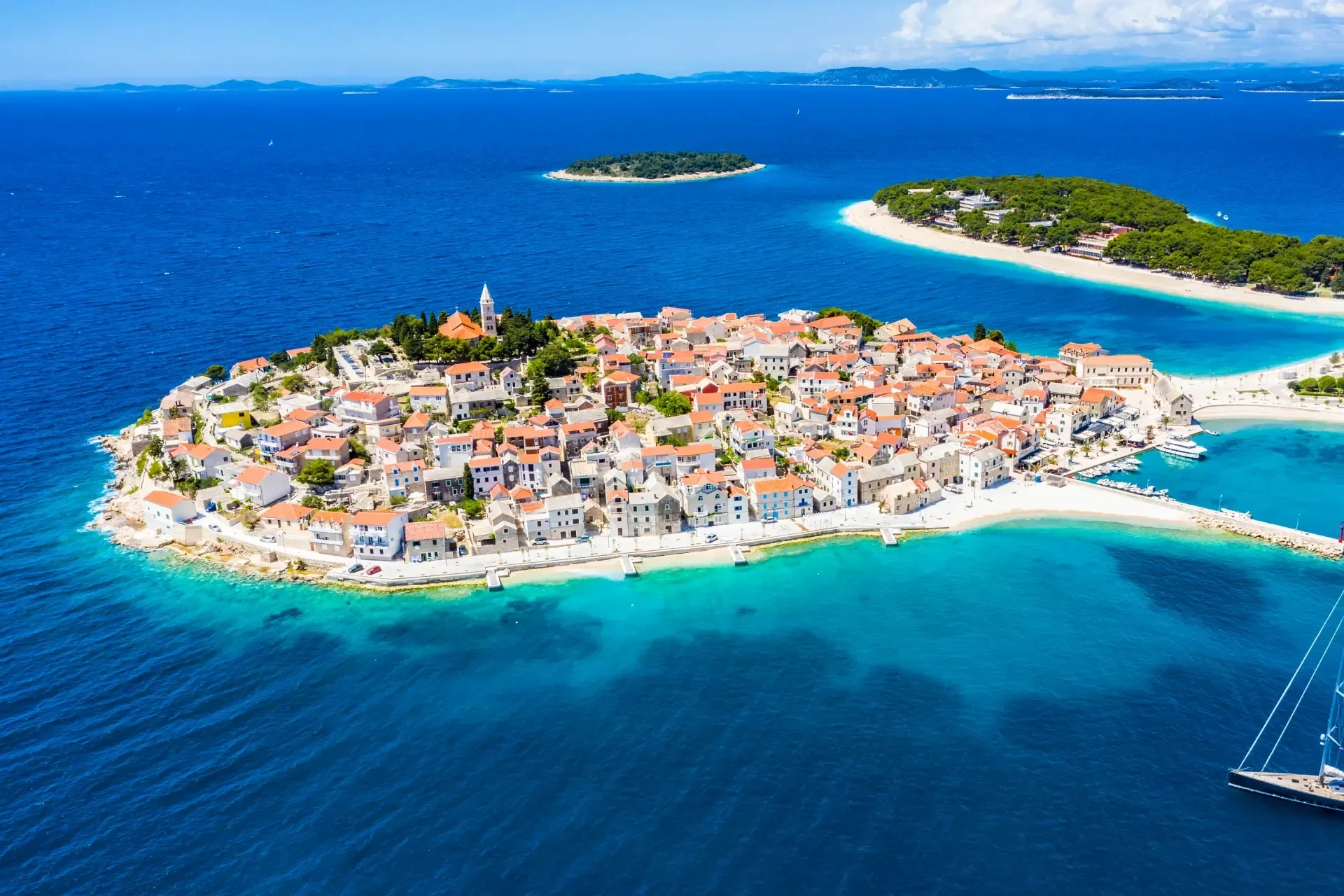
Croatia Residency by Investment: Business Investment, Property Ownership and Your Options
Croatia offers international investors an attractive combination of Mediterranean living, access to the European market, and a business environment within the European Union. For individuals considering European residency as part of a broader international mobility strategy, it is a destination worth exploring.
However, there is an important distinction between investing in Croatia and obtaining the right to live there.
Croatia does not offer a conventional Golden Visa that automatically grants residency in exchange for purchasing real estate or investing a fixed amount of capital. Instead, foreign nationals must qualify under an applicable immigration category. For entrepreneurs and business investors, establishing or investing in a Croatian business may provide a route to residence and work authorization, provided the relevant legal requirements are satisfied.
Understanding these distinctions is essential before committing capital.
1. Does Croatia Have a Golden Visa Program?
Unlike certain European countries that have offered residence permits linked directly to qualifying investments, Croatia does not have a standard real estate Golden Visa program.
Purchasing a house, apartment, or commercial property does not, by itself, entitle a non-EU national to Croatian residency.
Foreign investors may generally establish or participate in Croatian companies, subject to applicable legal requirements. However, the right to own a business or property is separate from the right to reside and work in the country.
For investors whose objective is to relocate to Croatia, the appropriate immigration route should therefore be identified before an investment is made.
2. Business Investment and Self-Employment
For certain non-EU nationals, establishing a business and actively working in it can provide a basis for applying for a Croatian residence and work permit.
Croatian immigration rules recognize self-employment in a company or business in which the foreign national holds an ownership interest of at least 51%. This route is subject to additional requirements and is not simply a matter of registering a company.
Depending on the applicable provisions, the requirements may include:
- A qualifying ownership interest in the Croatian business.
- A minimum level of investment in the company's assets.
- Employment of Croatian nationals on a full-time basis.
- Compliance with applicable salary requirements.
- Evidence of sufficient financial resources and health insurance.
- A valid passport and the required supporting documentation.
- Compliance with criminal-record, public-order, and other immigration requirements.
The precise requirements must be checked against the legislation in force when the application is submitted.
The important point is that this route is designed around a genuine business and qualifying employment or self-employment arrangements. It should not be treated as a passive investment program.
For entrepreneurs intending to establish operations in Croatia, this may be a practical option to investigate. However, the commercial viability of the proposed business and the investor's eligibility for the relevant permit should be assessed separately.
3. Can Buying Property in Croatia Help You Obtain Residency?
Croatia's coastline, historic towns, and Mediterranean lifestyle make its real estate market attractive to international buyers.
Nevertheless, property ownership alone does not provide an immigration entitlement.
Foreign nationals may be able to acquire property subject to Croatian ownership rules, nationality-specific restrictions, and other applicable legal requirements. These rules are separate from the immigration requirements governing residence.
A property purchase may form part of an investor's broader relocation plans, but it should not be confused with a qualifying investment under a residence-by-investment scheme.
Investors should also consider whether they intend to use the property as a holiday home, a long-term residence, or part of a commercial activity. Each objective raises different legal, financial, and tax considerations.
The practical lesson: establish your immigration eligibility first, then structure your property and investment decisions around your intended lifestyle and business activities.
4. What Other Residence Options Are Available?
Business investment is not the only possible route to lawful residence in Croatia.
Depending on an individual's circumstances, other options may include:
Employment: A non-EU national who obtains qualifying employment may be eligible for a Croatian residence and work permit. The application process and requirements depend on the circumstances, the employer, and the applicable rules.
Intra-company transfer: Employees of international companies may qualify for a permit under the relevant intra-company transfer provisions when transferred from an overseas business to a qualifying Croatian entity.
Family reunification: Eligible family members of Croatian residents or citizens may qualify for residence under the applicable family-reunification rules.
Digital nomad residence: Certain non-EU nationals who work remotely for a company or business outside Croatia may qualify for temporary residence as digital nomads. This category is not a general investor visa and does not authorize the holder to work for Croatian employers under the digital nomad arrangement.
The most suitable route depends on the applicant's nationality, professional and business circumstances, intended activities, and plans for living in Croatia.
5. Can Croatian Residency Lead to Permanent Residence?
Investors considering Croatia as a long-term destination should distinguish between temporary residence, long-term residence, and permanent residence.
Under the general rules published by Croatian authorities, long-term residence may become available after five years of qualifying continuous residence, subject to the applicable conditions.
These conditions include requirements concerning the applicant's documentation, financial resources, health insurance, Croatian-language knowledge, and public-order considerations.
Permanent residence is governed by separate statutory eligibility categories. It should not be assumed that every temporary residence permit automatically leads to permanent residence after a fixed period.
The nature of the original residence authorization, continuity of lawful residence, absences from Croatia, and other legal conditions can affect the outcome.
Investors should therefore assess their long-term residence strategy before choosing an initial immigration route.
6. Is Croatia Suitable for a Plan B Strategy?
For internationally mobile families, a Plan B strategy involves evaluating alternative places to live, work, invest, or establish a family base should circumstances change.
Croatia may be worth considering for individuals who value:
- A European Union member state with Schengen Area access.
- Access to European business and professional networks.
- Opportunities to establish or participate in a business.
- A potential long-term residence strategy based on qualifying immigration status.
- A location that can complement an individual's wider international mobility plans.
However, Croatia is not necessarily the right choice for investors seeking a passive investment that immediately provides residency without business activity or other qualifying circumstances.
The distinction is particularly important for families who want a straightforward residence-by-investment solution rather than a route that requires establishing and operating a business.
Depending on the investor's objectives, it may be appropriate to compare Croatia with other European residence programs that have different investment structures and eligibility criteria.
7. What Should Investors Consider Before Applying?
Before investing in Croatia with the intention of relocating, prospective applicants should consider several questions:
- What is the primary objective? Is the goal to establish a business, relocate for employment, secure a European base, or purchase a holiday home?
- Will the investor actively work in a Croatian business? This can be central to determining whether a business-based residence route is appropriate.
- What investment and employment obligations apply? Company ownership alone may not be sufficient.
- Can the investor and family members meet the relevant immigration requirements? Each person's eligibility and documentation should be assessed.
- What are the long-term residence objectives? Temporary residence and permanent residence are legally distinct.
- What are the tax implications? Relocation can affect personal tax residence, business taxation, reporting obligations, and the treatment of overseas income and assets.
These questions should be addressed before funds are committed, particularly when immigration eligibility is a central reason for making the investment.
Conclusion: Investment and Immigration Must Be Planned Together
Croatia can be an attractive destination for entrepreneurs, business investors, and internationally mobile families. However, it is important to understand that the country does not offer a conventional Golden Visa based simply on purchasing real estate or investing a fixed amount.
For eligible non-EU nationals, a qualifying business and self-employment arrangement may provide a route to residence and work authorization. Other applicants may need to consider employment, intra-company transfer, family reunification, or another applicable residence category.
The right approach is to assess the immigration requirements alongside the proposed investment, rather than assume that investing in Croatia automatically creates a right to reside there.
For investors exploring a European Plan B, careful advance planning can help align business objectives, family circumstances, and long-term mobility goals.
Considering Croatia or another European destination for your international mobility strategy? Explore the residence options available for your circumstances and obtain appropriate professional advice before making an investment.
Explore Topics
Written by
JPA World Research Team
Content creator and writer sharing insights and stories.