UAE Company Formation and Residency: Requirements, Costs and Benefits
Establishing a company in the UAE can provide a route to renewable residency for international entrepreneurs and investors — without requiring a property purchase or passive investment. Here is what the three principal residence categories involve.
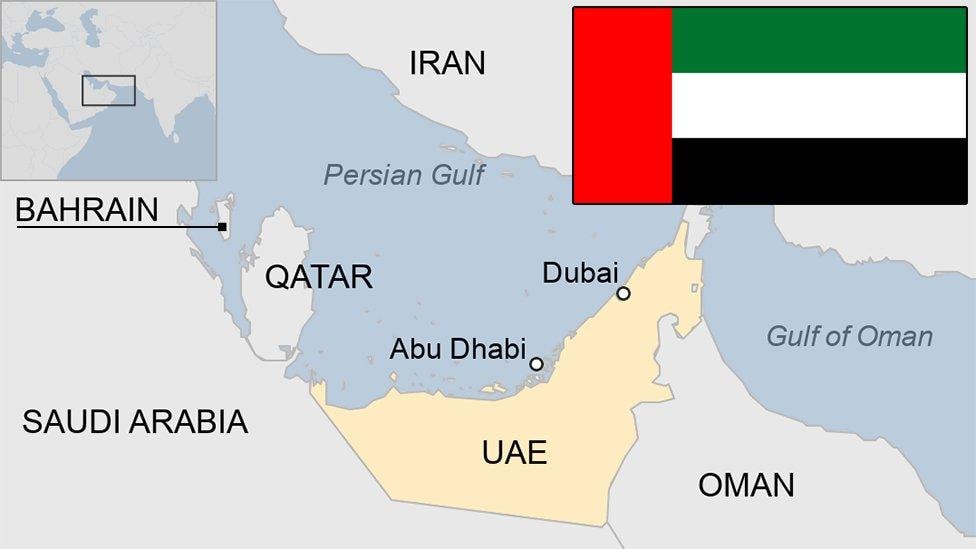
UAE Company Formation and Residency: A Business-Based Route to Living in the Emirates
The United Arab Emirates has become an increasingly attractive destination for international entrepreneurs, investors and business owners seeking a combination of commercial opportunities, residence rights and international mobility.
One route worth considering is establishing a company in the UAE and obtaining residence as its owner, shareholder or business partner.
Unlike investment migration programmes that require an investor to purchase property or make a substantial passive financial contribution, the company-formation route allows an investor to establish a business presence in the UAE while potentially obtaining a renewable residence permit.
The route can be particularly attractive to entrepreneurs who want to access the UAE's international business environment, establish a regional headquarters, manage international operations or create an additional base for themselves and their families.
Importantly, the investor does not necessarily need to relocate permanently to the UAE. Depending on the residence category obtained, there may be considerable flexibility regarding the amount of time spent outside the country.
The UAE offers several relevant residence categories, including standard company-sponsored residence permits, the five-year Green Residence and the ten-year Golden Residence. Understanding the differences is essential when selecting the appropriate company structure and immigration strategy.
Understanding the UAE Company-Formation Route
The UAE is a federation of seven emirates: Abu Dhabi, Dubai, Sharjah, Ajman, Umm Al Quwain, Ras Al Khaimah and Fujairah. Each emirate has its own economic authorities and business-registration framework, alongside federal immigration and tax regulations.
Foreign investors can generally establish companies with full foreign ownership in many business activities, subject to applicable restrictions and licensing requirements.
There are two principal options.
Free-zone company. A company established in one of the UAE's designated free zones. Free zones are popular with international entrepreneurs because they offer business-specific licensing, streamlined incorporation procedures and, in many cases, 100% foreign ownership. They can be particularly suitable for consulting, international trade, technology, professional services, holding activities and regional business operations.
Mainland company. A company licensed by the relevant emirate's economic authority. Mainland structures can be suitable for investors intending to conduct business directly throughout the UAE domestic market, depending on the licensed activity and applicable regulations.
The choice between free-zone and mainland incorporation should be based on the intended business activity, ownership arrangements, operational requirements and the investor's residence objectives.
How Does the Investor Obtain UAE Residency?
Once the company has been incorporated and the relevant commercial licence issued, the investor can explore an appropriate residence category. There are three principal options.
Standard Investor or Business-Partner Residence Permit
An investor who owns shares in a UAE company may qualify for a company-linked investor or partner residence permit, subject to the relevant immigration authority's requirements.
The company generally needs to hold the necessary commercial licence and immigration registration, and the applicant must provide evidence of their ownership or partnership.
Standard sponsored residence permits can be issued for one, two or three years, depending on the applicable category, sponsoring entity and immigration authority. The permit is renewable, subject to continued eligibility and the company's compliance.
Typical documentation includes a valid passport, personal photograph, UAE company trade licence, Memorandum of Association or other evidence of shareholding or partnership, relevant immigration and establishment documents, medical fitness examination, Emirates ID application and health insurance where required.
This route can be appropriate for entrepreneurs who want to establish a relatively straightforward UAE business presence without meeting the substantially higher investment requirements of the Golden Visa.
Five-Year Green Residence for Investors and Business Partners
The Green Residence is a particularly interesting option for business owners seeking longer-term residency without relying on a conventional employer or individual sponsor.
The UAE Federal Authority for Identity, Citizenship, Customs and Port Security recognises investors and business partners as an eligible category. The permit is issued for five years and is renewable.
The applicant must demonstrate an investment or contribution to a UAE business venture and obtain the necessary commercial licences and approvals. Merely incorporating a company does not automatically confer Green Residence eligibility.
The Green Residence offers several advantages:
- Five-year renewable residency
- No requirement for a conventional employer sponsor
- Ability to sponsor eligible family members
- Greater independence from a particular employment relationship
- Flexibility to live and conduct business in the UAE
For an investor seeking a longer-term residence solution while retaining international business commitments, this can be an attractive alternative to a standard company-sponsored permit.
Ten-Year Golden Residence Through Business Investment
For investors with greater capital, the UAE Golden Residence offers the longest standard investment-related residence option. The public-investment category generally provides ten-year renewable residency, without requiring an employer or conventional sponsor.
An investor may qualify through certain forms of investment in a UAE company or other qualifying public investments. The official framework includes several qualifying routes:
- Establishing a UAE company with qualifying capital of at least AED 2 million
- Holding a financial investment or deposit of at least AED 2 million in an eligible UAE institution
- Holding a qualifying ownership interest in an existing or newly established UAE company, with an investment share of at least AED 2 million
- Qualifying through the applicable corporate tax contribution route, subject to the prescribed conditions
The investment must satisfy the relevant ownership, source-of-funds and documentation requirements. Borrowed capital does not automatically qualify.
How Much Time Must the Investor Spend in the UAE?
This is arguably one of the most important considerations for internationally mobile investors. A UAE residence permit does not necessarily require the holder to live in the country throughout the year. However, the rules depend on the residence category.
Standard residence permits. The general UAE immigration rule provides that a resident who remains outside the UAE for more than 180 consecutive days may have their residence permit automatically invalidated. However, official UAE government guidance specifically lists investors holding valid UAE residence permits as an exception to this general rule. A qualifying investor may therefore be able to maintain a valid residence permit while spending more than six consecutive months outside the UAE — though the investor should confirm that their particular permit is classified under the applicable investor exemption.
Green Residence. Green Residence holders are not subject to the ordinary six-month return requirement in the same way as standard residence-permit holders. Official UAE guidance confirms that Green Residence holders can return after an extended absence without needing the special re-entry permit applicable to certain other residents.
Golden Residence. Golden Residence holders have an expressly recognised exemption from the 180-day rule. They can remain outside the UAE for longer than six consecutive months without automatically losing their residence status, provided their Golden Residence remains valid and they continue to satisfy its applicable conditions.
For an investor primarily interested in establishing a second residence without relocating full-time, the Green Residence and Golden Residence are particularly interesting options.
Immigration Residency, Tax Residency and Business Compliance Are Separate Matters
Three different questions must not be confused.
The first is whether the residence permit remains valid under the applicable immigration rules. The second is whether the individual qualifies as a UAE tax resident under the applicable tax legislation. The third is whether the company continues to satisfy its licensing, operational, accounting and regulatory obligations.
The UAE's tax-residency framework generally considers an individual who spends 183 days or more in the UAE during a relevant consecutive 12-month period to meet one of the physical-presence tests. A person spending between 90 and 182 days may also qualify if additional conditions are met, including having a UAE residence permit and a UAE home or employment and business connection.
Holding a UAE investor residence permit does not automatically establish UAE tax residency or end tax residency in another country. US citizens, for example, generally remain subject to US federal income-tax reporting on worldwide income regardless of where they reside.
Investors should obtain advice in both their existing country of tax residence and the UAE before restructuring their affairs.
Principal Benefits for Investors
The company-formation route can offer several advantages beyond the right to reside in the UAE.
A business presence in an international commercial hub. The UAE provides access to markets across the Middle East, Asia, Africa and Europe. A locally established company can facilitate regional operations, international trade, consulting, investment management and business development.
A potentially attractive personal tax environment. The UAE does not generally impose personal income tax on individuals. For qualifying investors who genuinely establish UAE tax residency, this can create opportunities for international tax planning. However, foreign tax obligations may continue depending on nationality, domicile, existing tax residence and the source of income.
A competitive corporate tax framework. The UAE's federal corporate tax system generally applies a 0% rate to taxable income up to AED 375,000 and 9% above that threshold. Qualifying Free Zone Persons may benefit from a 0% rate on qualifying income, subject to the applicable requirements.
Family residence opportunities. Depending on the investor's residence category and applicable conditions, the investor may sponsor a spouse, children and other eligible family members. Golden Residence holders also benefit from specific family sponsorship provisions, including provisions for parents.
International mobility. The ability to retain UAE residency while spending extended periods abroad is particularly valuable to investors with businesses, families or property in multiple countries. The Green and Golden Residence categories are especially attractive in this respect.
A long-term residence option without purchasing residential property. Unlike a property-based investment route, establishing a company can provide a commercial basis for residence. The investment is directed towards a business structure rather than necessarily being tied to residential real estate.
Company Formation: Costs and Ongoing Obligations
The cost of establishing a UAE company varies according to the emirate, free zone, licensed activity, office requirements and immigration package.
Potential expenses include company incorporation and registration, the commercial licence and annual renewal, immigration establishment registration, residence permit and Emirates ID, medical examination, health insurance, office or flexi-desk premises, accounting and bookkeeping, and annual corporate and immigration renewals.
Some free zones advertise relatively inexpensive incorporation packages. However, these should not be confused with the complete cost of establishing a company and obtaining an investor's residence permit. Investors should request a written quotation covering the first year and subsequent annual renewals, including any additional charges for dependants.
The company must also comply with relevant corporate tax registration, filing, accounting and other regulatory obligations.
Who Should Consider the UAE Company Route?
This option may be particularly relevant to:
- International entrepreneurs seeking to establish a regional base for their business
- Business owners looking to expand into the Middle East and neighbouring markets
- Consultants and professional-service providers who want to establish a UAE operating company
- International investors seeking a residence option that does not depend exclusively on purchasing property
- Globally mobile families seeking a second residence base with access to international schools, healthcare and business infrastructure
- Established investors who can meet the investment requirements for a five- or ten-year residence category
For individuals whose sole objective is obtaining a second residence permit while maintaining their existing business and lifestyle abroad, the possibility of qualifying for an investor exemption from the ordinary 180-day absence rule deserves particular attention.
Choosing the Right Residence Strategy
The appropriate route ultimately depends on the investor's financial capacity, commercial objectives and desired level of physical presence in the UAE.
The standard company-sponsored investor or partner permit offers one to three years of residency depending on the authority and category, with a potential investor exemption from the general 180-day rule. The Green Residence offers five years of residency with no ordinary 180-day return requirement. The Golden Residence offers ten years of residency with an expressly recognised exemption from the 180-day rule.
All three routes are subject to their respective eligibility and renewal requirements.
Conclusion: A Business-Based Route to UAE Residency
The UAE company-formation route offers international investors an interesting alternative to traditional property-based residency programmes. It combines the opportunity to establish a commercial presence in one of the world's most internationally connected business environments with the possibility of obtaining renewable residence rights.
For entrepreneurs and business owners, the benefits can extend beyond immigration: access to regional markets, a potentially attractive tax environment, business development opportunities and the possibility of including eligible family members.
Perhaps most importantly, qualifying investors do not necessarily need to relocate permanently to the UAE. The immigration framework provides considerable flexibility for certain investor residence categories, including the ability to remain abroad for extended periods.
For internationally mobile investors seeking a second residence, business opportunities and greater flexibility in where they live and operate, the UAE company route deserves serious consideration.
This article is intended for general informational and educational purposes and does not constitute legal, immigration, investment or tax advice. UAE immigration rules, investment thresholds and licensing requirements are subject to change. Eligibility must be assessed individually, and the applicable authorities should be consulted before establishing a company or submitting a residence application.
Further Reading: UAE Golden Visa — Residency in the United Arab Emirates
Explore Topics
Written by
JPA World Research Team
Content creator and writer sharing insights and stories.